Table of Content
Use either special leak detector solution or, in a pinch, use thick soapy water. Apply this solution to the connections between the cylinder valve and the regulator outlet. When properly installed, a gas stove is easy and convenient to use. A precise way to identify a gas leak is to install a carbon monoxide or natural gas detector in your kitchen. However, it’s prone to gas leaks which can cause negative reactions in humans and pets.
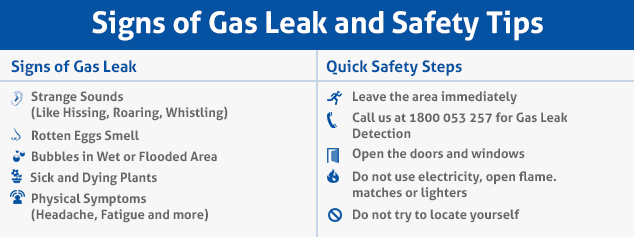
There are plenty of options out there, and you can read about our recommendations for the best gas leak detectors. If you smell sulphur or rotten eggs in your home, there’s a chance you have a gas leak. That’s because most natural gas companies put an additive called mercaptan into natural gas, in order to make it smell that way. To detect a gas leak in your home, sniff for a rotten egg or sulphur smell near your gas appliances. If you detect the smell of a leak, turn off gas supply to your home, don’t use electricals, open your home windows, if safe to do so, and call a gasfitter. It's a good idea for homes or workplaces using gases to have alarms, such as carbon monoxide sensors, but a handheld device is also necessary.
Try the soapy water test.
Once the gas is off, remove the outer covers of the gas line to expose the line. Make sure to wear a mask to avoid inhaling any fumes, and wear gloves to protect your hands. Using your eyes once again, if you observe a red or yellow flame, there is something wrong with your appliance or you may have a leak. Mega Bubble will help you locate any non-liquid leaks and will not compromise the pipe / fitting materials. If bubbles appear at these connection points, close the cylinder valve, tighten the connection, and repeat the process. If bubbles continue to appear, call AmeriGas immediately so we can help.
The small portable types are activated with the push of a button and will sound when a leak has been detected. Any gas leak is potentially dangerous and should be handled by a professional. If you think you have a problem, evacuate your home and alert authorities. You should turn off the pilot light or gas meter, open windows, and avoid using electronics nearby.
How to Detect a Gas Leak
Also, the extended tree roots in the old house can disconnect the line with extra pressure. But, since this resource is derived from fossils, it’s not renewable and any day will run out. Moreover, leaks are considered very dangerous, as they can create an explosive concentration at any time. Therefore, everyone should be careful in using this gas with regular checking and prohibition standards. And, make sure you use a variety of leak detection tools and methods together to ensure full safety for everyone in and around your business premises. It can be difficult to see when gas is escaping from a pipe.
Ever hop into the shower only to get blasted by a stream of freezing water? Or maybe your hot water fizzles out halfway through and you're left shivering as you wash the last streaks of shampoo out of your hair. Or maybe you walk into your basement and step into a small lake that's formed around the base of your water heater. ♦ Next, spray the entire valve, regulator and hose assembly with the soapy water.
Here's How to Troubleshoot 4 Common Water Heater Problems
You should check it every year and replace it ahead of time. We have described in this article how to check for a gas leak, and what to do when a gas leaks in the house instantly. If you notice a gas leak in the house or get a smell of gas, immediately remove all sparks and flammable materials, and other exposed flames.

It also won’t harm or stain metal, rubber or plastic surfaces. Ignoring the signs and symptoms of a gas leak can lead to serious repercussions such as carbon monoxide poisoning or other health-related issues. Loose connection joints can make a faint whistling sound, indicating that there’s a gas leak. However, it’s important to note that not all gas leaks will create noises.
Even if you don’t have a natural gas furnace, most of these warning signs will still apply to a propane system. Homeowners who catch a whiff of sulfur or rotten eggs should leave the house immediately and, once outside, call both the fire department and the utility company. These professionals will check the house for leaks and determine when it’s safe to reenter.
That is, if your range or oven gives an orange or red flame, then you must understand that there may be gas in the air that is absorbing oxygen. If you notice any smell of sulfur in the house, its source may be your gas leak. If the smell is high, immediately move to a safe place with all your family members and call a technician to fix it.
From leaks to cold water, your hot water heater can fail in a couple of ways. You will need a soapy water solution to do the soapy water leak test. The soapy water leak test allows you to search for tell-tale bubbles that are indicative of LPG or Natural Gas leakage. It sounds like an old wives’ tale, but mix a concentrated solution of a teaspoon of dish detergent with one cup of water.
If you apply a leak detector after an installation, you can fix any leaks ahead of time, saving time and money. If you discover a leak, be sure to test it again after repairing it. The next warning sign is hearing any kind of hissing sound near your furnace itself or exposed gas lines. While your furnace is off, listen for any hissing noises coming from these locations. Since gas running through your home’s supply lines is highly pressurized, the escaping substance will usually make an audible hiss if there is a leak somewhere.
If you suspect a gas leak in your home, the very first thing you should do is turn off the pilot light or gas meter and alert your gas company or authorities. Natural gases emitted from the stove have no odour or colour. Thus, to make it easier to detect gas leaks, manufacturers addmethyl mercaptan– an odorant that gives natural gases an unpleasant smell. This acts as a safety measure that alerts us to a gas leak that may otherwise go unnoticed. To check for gas cylinder leaks perform the soapy water leak test around the valve and connections.

A simple soap and water solution has been used for pinpointing gas leaks along tubes and pipes. Nowadays, you can find some bespoke solutions for this task that provide more accurate results. This is because these custom-made solutions adhere better to pipes and fittings than simple soap and water.




No comments:
Post a Comment